Ledger Login: Secure Access to Your Cryptocurrency Wallet
As cryptocurrency continues to grow in popularity, securing access to your digital assets has become a critical concern. Ledger, one of the world’s leading hardware wallet providers, offers a secure platform for managing cryptocurrencies. The Ledger login process is an essential step that ensures only authorized users can access Ledger Live, the official software companion to Ledger hardware wallets. This guide explores Ledger login, its features, setup process, and best practices for maintaining security.
What Is Ledger Login?
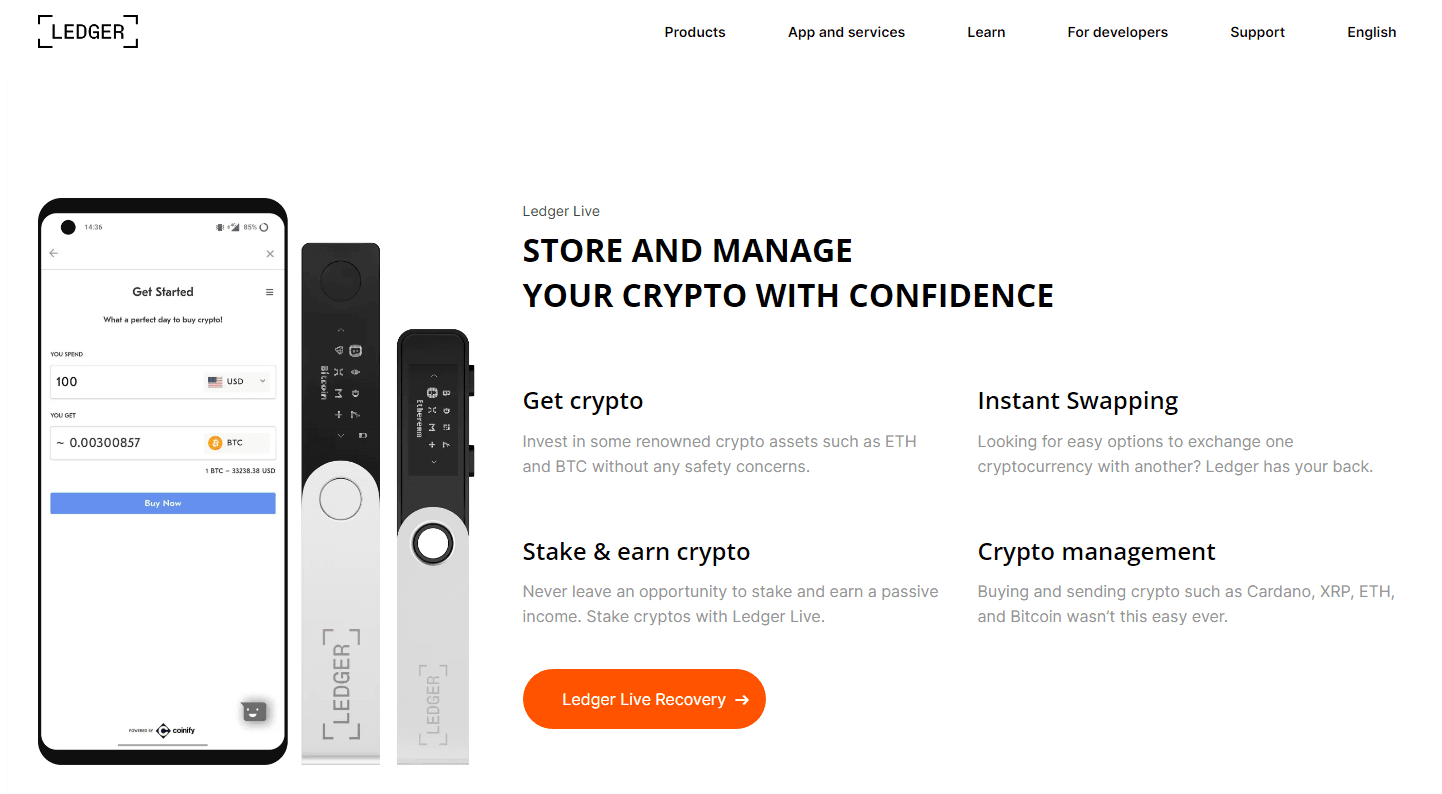
Ledger login refers to the process of accessing Ledger Live, the desktop or mobile application that communicates with your Ledger hardware wallet. Unlike web-based wallets, Ledger Live does not store private keys online. All private keys remain safely on the Ledger hardware wallet, meaning that even if your computer or mobile device is compromised, your assets remain secure. The Ledger login process allows the software to connect securely to your hardware device, giving you full access to manage your cryptocurrency accounts.
Once logged in, users can:
Monitor cryptocurrency portfolio balances in real-time
Send and receive multiple cryptocurrencies securely
View transaction history and portfolio performance
Stake supported cryptocurrencies
Buy, sell, or swap crypto assets
Install blockchain apps on their Ledger hardware wallet
Preparing for Ledger Login
Before logging in to Ledger Live, it is important to ensure that both your Ledger device and the software are properly set up.
Step 1: Download Ledger Live
Visit the official Ledger website to download Ledger Live. It is available for Windows, macOS, Linux, Android, and iOS. Always download Ledger Live from the official source to avoid malicious software or scams.
Step 2: Install Ledger Live
Install Ledger Live on your device and open the application. During the initial setup, you can choose to create a new Ledger wallet or restore an existing one using a recovery phrase.
Step 3: Connect Your Ledger Hardware Wallet
Use a USB cable to connect your Ledger device to your computer. Ledger Nano X users can also connect via Bluetooth. Ledger Live will detect the device automatically once it is connected.
Step 4: Set Up Security Features
If you are setting up a new device, create a PIN code and securely write down your 24-word recovery phrase. These security measures are critical and are required for accessing Ledger Live securely.
How to Log In to Ledger Live
The Ledger login process is designed to ensure security while providing access to your crypto accounts.
Step 1: Launch Ledger Live
Open the Ledger Live application on your computer or mobile device. Ensure you are using the latest version of the software to avoid compatibility issues.
Step 2: Connect Your Ledger Device
Attach your Ledger wallet to your computer or mobile device. Ledger Live will automatically detect the device.
Step 3: Enter Your PIN
Your Ledger hardware wallet will prompt you to enter the PIN code. This step ensures that only someone with physical access to the device can log in. Note that repeated incorrect PIN entries will temporarily lock the device to protect your funds.
Step 4: Access Your Accounts
Once your PIN is verified, Ledger Live will display all your cryptocurrency accounts linked to the device. You can now manage your portfolio, send and receive assets, and stake supported cryptocurrencies securely.
Security Features of Ledger Login
Ledger login incorporates several layers of security to protect your digital assets:
Offline Private Keys: Private keys never leave the hardware wallet.
PIN Verification: Confirms that the user has physical access to the device.
Hardware Transaction Confirmation: All transactions must be approved on the device.
Encrypted Communication: Data exchanged between Ledger Live and the device is encrypted.
Recovery Phrase Backup: A 24-word recovery phrase ensures access to your assets in case the device is lost or damaged.
Common Ledger Login Issues
Even with proper setup, users may occasionally encounter login issues. Common problems include:
Device Not Recognized: Check the USB cable or reconnect via Bluetooth for Ledger Nano X users.
PIN Entry Errors: Enter the PIN carefully; too many incorrect attempts can reset the device.
Outdated Ledger Live Software: Update Ledger Live to the latest version.
Software Conflicts: Close any programs that may interfere with USB or Bluetooth connections.
Ledger provides official support to help resolve these issues.
Best Practices for Secure Ledger Login
To maintain the highest level of security when logging into Ledger Live:
Download Ledger Live only from the official Ledger website.
Keep Ledger Live and device firmware updated.
Never share your PIN or 24-word recovery phrase.
Always verify receiving addresses on your Ledger device before sending funds.
Avoid using public Wi-Fi networks for transactions or login.
Store your recovery phrase offline in a secure location.
Conclusion
Ledger login is a critical step in securely accessing and managing your cryptocurrency accounts. By pairing Ledger Live with a Ledger hardware wallet, users gain convenience without compromising security. Proper setup, careful use of PIN codes and recovery phrases, and adherence to best practices ensure that your digital assets remain safe. Ledger Live provides a secure, reliable, and user-friendly platform for both beginners and experienced cryptocurrency investors to manage their portfolios confidently.