Ledger Login: Your Secure Gateway to Managing Digital Assets
As cryptocurrency continues to expand globally, one of the most important responsibilities for investors is keeping their digital assets secure. Ledger, a trusted name in hardware wallets, provides a highly secure way to store and manage crypto offline. The central part of using a Ledger device is the Ledger login process, which allows users to safely access the Ledger Live application. This guide explains what Ledger login is, how it works, and the steps and best practices to ensure your crypto remains fully protected.
Understanding Ledger Login
Ledger login refers to the process of signing in to Ledger Live, the official software interface for Ledger hardware wallets such as Ledger Nano S Plus and Ledger Nano X. Ledger Live does not store any private keys online. Instead, your private keys remain locked inside your hardware wallet at all times. The login process simply connects Ledger Live to your authenticated physical device, allowing you to manage your portfolio securely.
Through Ledger login, users get access to powerful tools including:
Portfolio tracking across multiple cryptocurrencies
Secure sending and receiving of assets
Viewing full transaction histories
Managing blockchain applications for each coin
Staking supported cryptocurrencies
Swapping or trading assets through integrated partners
Getting Ready for Ledger Login
Before you can log in to Ledger Live, it’s important to properly prepare both the software and your Ledger hardware wallet.
Step 1: Download Ledger Live
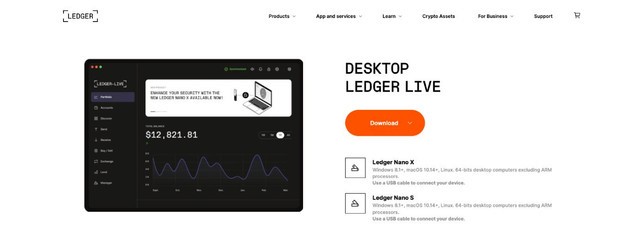
Start by downloading Ledger Live from the official Ledger website. The application is available for Windows, macOS, Linux, Android, and iOS. Never download Ledger Live from unofficial sources, as counterfeit software can steal your private information or compromise your funds.
Step 2: Install Ledger Live
Install the application and launch it. If you’re setting up your wallet for the first time, Ledger Live will guide you through creating a new wallet. If you already have one, you can restore it using your 24-word recovery phrase.
Step 3: Connect Your Ledger Device
Connect your Ledger Nano device to your computer using a USB cable. Ledger Nano X users can also connect via Bluetooth for mobile login. Once connected, Ledger Live will automatically detect your device and prompt you to continue.
Step 4: Configure Security Settings
If you’re using a new Ledger wallet, you’ll need to:
Choose a PIN code
Write down your 24-word recovery phrase
Confirm the recovery phrase on the device
These steps are essential. Your recovery phrase is the only way to restore your wallet if your device is lost or damaged.
How to Log In to Ledger Live
Logging in to Ledger Live is a simple process while providing maximum security.
Step 1: Open Ledger Live
Launch the Ledger Live application on your computer or mobile phone. Ensure you’re using the most up-to-date version of the software.
Step 2: Connect Your Ledger Device
Plug in your Ledger wallet via USB or connect via Bluetooth (if supported). Ledger Live will verify that your device is genuine and authorized.
Step 3: Enter Your PIN Code
Your hardware wallet will ask you to enter your PIN. This step confirms that you physically own the device and prevents unauthorized access.
Step 4: Access Your Dashboard
After successful verification, Ledger Live will load your dashboard. You can now view your balance, manage accounts, send or receive crypto, and explore additional features.
Security Features Built Into Ledger Login
Ledger provides a layered security system to keep your crypto safe:
Offline Private Keys: Your private keys never leave the device—Shielding your assets from online attacks.
PIN Protection: Prevents unauthorized users from accessing your wallet.
Secure Transaction Approval: Every transaction must be manually confirmed on your Ledger device.
Encrypted Communication: Ledger Live and your device exchange data through encrypted channels.
Recovery Phrase Backup: A 24-word recovery phrase ensures you can restore your wallet at any time.
These safeguards work together to provide unmatched protection compared to software-only wallets or exchange accounts.
Troubleshooting Ledger Login Problems
Sometimes, users may encounter issues while trying to sign in. Here are the most common problems and their solutions:
Device Not Detected:
Try a different USB cable, reconnect the device, or restart Ledger Live.Incorrect PIN:
Verify your PIN carefully. Too many incorrect attempts will reset the device for security.Ledger Live Not Opening:
Update your operating system or reinstall Ledger Live if necessary.Bluetooth Issues (Nano X):
Ensure Bluetooth is enabled and your device has sufficient battery.Missing Accounts:
Make sure the correct blockchain apps are installed on your Ledger device.
Best Practices for a Secure Ledger Login Experience
To maximize security when accessing Ledger Live, follow these important guidelines:
Only download Ledger Live from the official Ledger website.
Keep firmware and software updated regularly.
Never share your PIN code or 24-word recovery phrase with anyone.
Always verify transaction addresses directly on your Ledger device.
Avoid logging in from public or unsecure Wi-Fi networks.
Store your recovery phrase offline and in a safe, private location.
Conclusion
The Ledger login process is the foundation for safely accessing and managing your cryptocurrency portfolio through Ledger Live. By pairing the software with a Ledger hardware wallet, users benefit from a secure environment where private keys remain offline and fully protected. With proper setup, attention to security, and following best practices, Ledger offers one of the safest and most convenient ways to manage digital assets. Whether you’re a beginner or an experienced investor, Ledger gives you full control over your crypto—securely and confidently.